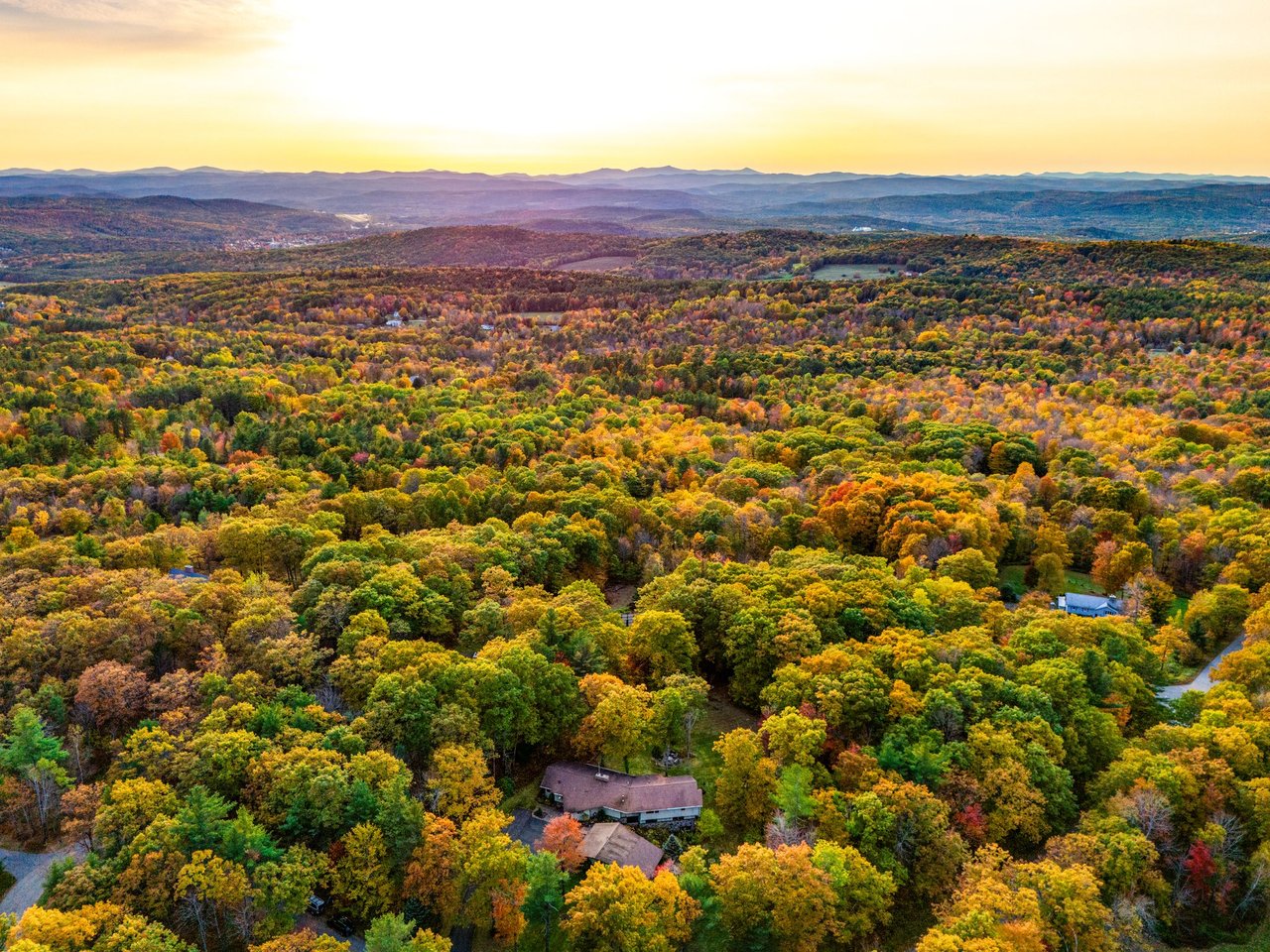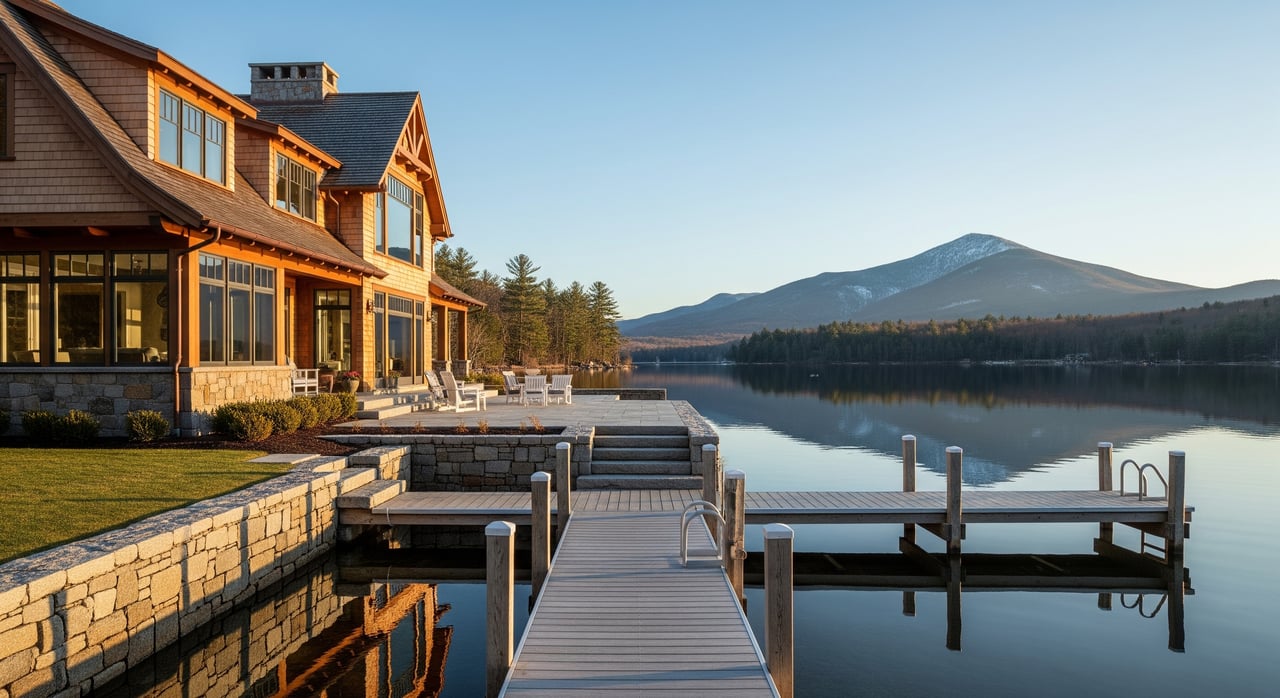
Picture a bluebird morning on Lake Sunapee, a quiet harbor, and fresh coffee on your porch. Now imagine the same view after a snowstorm, roads plowed, skis in the car, and a neighbor waving as you shovel. If you’re weighing year-round life in Sunapee, you want the full picture: the seasons, the rhythms, and the practical details that make daily living work. This guide walks you through what to expect, how to plan, and how to decide if Sunapee fits your lifestyle. Let’s dive in.
Sunapee at a glance
Sunapee is a small, lakeside town in western New Hampshire centered on Lake Sunapee. The town includes village areas like Sunapee Harbor and Georges Mills along with rural roads and shoreline neighborhoods. You’ll find a mix of full-time residents and second-home owners. Many businesses and services are local and seasonal, with larger shopping and medical hubs a short drive away.
Two policy notes shape everyday costs. New Hampshire has no general sales tax and no broad-based income tax. Municipalities rely heavily on property taxes, so the local tax rate and your property’s assessed value will be a significant part of your budget.
If you’re considering the lakefront specifically, know that waterfront properties follow shoreland and septic regulations at the state and local level. Lake protection is a major community focus and part of Sunapee’s identity.
Seasons in Sunapee
Year-round living means embracing all four seasons. Each one changes traffic, business hours, and how you use your home.
Spring: thaw and prep
Spring brings thawing ice, rising lake levels, and prep for boating season. Shoreline owners focus on docks, boats, septic checks, and landscaping. Expect mud season on unpaved or private roads and the chance of a late snow. Tourist-oriented businesses begin to reopen or extend hours by late spring.
Summer: peak lake life
From June through August, the population swells. Lake cottages fill up, and weekend traffic and parking around harbors and launches increase. You’ll find a lively rhythm of boating, paddle sports, farmers’ markets, concerts, and lakeside dining. Seasonal businesses run extended hours, and municipal services are in full swing. Plan ahead for weekend restaurant reservations and boat launch timing.
Fall: calm and color
Fall is a sweet spot. Leaf peeping brings visitors, but weekdays are often quiet. Many residents savor cool hikes, calm water, and village life without summer’s pace. By late September and October, some seasonal businesses scale back. Homeowners winterize boats and, in some cases, close up seasonal systems. Fall can also be an active time for property showings.
Winter: quiet, prepared, and active
Winter is quiet but far from dull. Mount Sunapee Resort offers downhill skiing and snowboarding, while local trails support snowshoeing, cross-country skiing, and snowmobiling where allowed. You’ll need winter readiness: reliable snow removal, a vehicle with capable tires, and a plan for icy conditions. Some shops reduce hours or close for parts of the season, but core town services continue, adjusting for storms as needed. Community life often shifts indoors with events and volunteer activities.
Daily logistics that matter
Year-round residents lean on simple, consistent habits that make living easy.
- Vehicle and roads: Expect to rely on a personal car. Winter driving skills, snow tires, and a plow or reliable contractor are part of the routine, especially on private or steep roads.
- Shopping and errands: Everyday essentials are available locally, but specialty goods, bigger grocery runs, and more medical services often mean a 20 to 60 minute drive to regional hubs.
- Healthcare: Primary care and urgent care are found in the region. For specialized or major hospital access, plan for a regional drive, including to larger medical centers in the Upper Valley.
- Public safety: Police, fire, and EMS reflect small-town coverage, with volunteer support common in several areas. Response times can be longer than in metro suburbs.
- Community fabric: Many services, events, and conservation efforts run on volunteer energy. It’s a friendly way to connect and learn how things work.
Housing and taxes: what to expect
You’ll see a mix of homes: classic lake cottages, single-family residences in village or rural settings, condominiums near the lake or resort areas, and historic New England homes. Waterfront commands a premium and often serves as second homes or rentals.
Property taxes are a key ongoing cost. Because New Hampshire depends heavily on property taxes, review the current town rate, recent tax bills for similar properties, and any exemptions you may qualify for. Waterfront and higher-assessed homes usually carry higher tax bills, so build that into your budget.
If you’re planning improvements, especially on the shoreline, factor in permitting timelines. Dock work, shoreline alterations, and septic projects typically require approvals from town and state authorities.
Utilities, water, and septic
Infrastructure varies by road and neighborhood, so confirm details during due diligence.
- Water: Many homes use private wells. Some village areas may have municipal water. Test water quality as part of your inspection.
- Sewer: Septic systems are common, including along the shoreline. Ask about the age, capacity, and any inspection or upgrade requirements. Setbacks and standards are enforced to protect lake quality.
- Heat and electricity: Winter resilience matters. Understand the age and fuel type of your heating system, typical delivery logistics for oil or propane, and whether the home includes a backup generator.
- Internet and cell: Broadband can be strong in the villages and variable in rural pockets. Many residents work remotely, but you should confirm provider options and speeds for the specific address. Satellite or fixed wireless can fill gaps.
- Trash, recycling, snow: Municipal or contracted services run year-round, though private roads may rely on road associations or homeowner groups for maintenance and plowing.
Commuting and connectivity
Most residents commute by car. Daily public transit is limited, and intercity bus options are sparse. Regional employment centers and major services are typically a 30 to 90 minute drive, depending on destination and conditions. Airports ranging from regional to international are a moderate to long drive, including options in the Upper Valley, Manchester, and the Boston area.
If you travel often, consider proximity to main roads, winter road maintenance on your street, and realistic timing during storms or holiday weeks.
Recreation and community life
The lake is the anchor. In summer, you’ll see sailing, paddling, swimming, and fishing as part of everyday life. Residents often schedule around the water: dock gatherings, regattas, or a quick paddle after work. On winter weekends, many ski at Mount Sunapee Resort or head into the trail networks for snowshoeing and cross-country skiing.
Community events add to the rhythm, especially in summer and fall. You’ll find farmers’ markets, harbor programs, seasonal concerts, and Fourth of July fireworks. Local chambers, lake organizations, and town boards publish event calendars that help you plug in.
Dining and services feel small-town and personal. A handful of restaurants, cafés, and general stores cover the basics. For broader shopping or professional services, you’ll head to nearby regional towns.
Rules and lake stewardship
Stewardship is a point of pride. To protect Lake Sunapee, the community supports invasive species prevention, boat inspection programs, and careful oversight of shoreline activity. Expect rules about cleaning watercraft, dock permitting, and septic compliance. State environmental regulations guide setbacks, wetlands, and shoreland work, with local enforcement and review.
If you plan to buy or upgrade a waterfront property, build a timeline that respects these rules. With the right planning, you can protect the lake while still enjoying your investment.
Is year-round Sunapee right for you?
Choose Sunapee if you value a quieter pace and outdoor access in every season. You’ll trade quick urban convenience for a routine that includes scenic drives, friendly faces at the harbor, and a community that shows up when it snows. Summer is active and social. Winter rewards preparation and a love of cold-weather fun.
Biggest draws include year-round recreation, the small-town feel, and the New Hampshire tax structure. Biggest challenges include winter driving, fewer local shopping choices, and property taxes as a significant budget line.
Smart buyer checklist
Use this shortlist to keep your search focused and smooth.
- Property taxes: Review the current town rate and a recent tax bill for a comparable home.
- Water and septic: Confirm the water source, schedule water quality tests, and review septic age, capacity, and any required inspections.
- Shoreline regulations: If applicable, map out shoreland setbacks, dock permits, and wetland rules before you plan improvements.
- Heat and power: Assess the heating system’s age and fuel, insulation quality, and whether a backup generator is installed.
- Internet and cell: Verify providers and speeds for the exact address. Consider backup options if you work remotely.
- Road maintenance: Ask who maintains and plows your road, especially if it’s private. Budget for association dues if relevant.
- Insurance: Discuss coverage for lakefront, wind, and potential flood exposures with your insurance advisor.
- Seasonal operations: For second homes, plan shutoff and winterization procedures or choose a property with year-round systems.
- Commute and travel: Test the drive to frequent destinations at typical times and in winter conditions when possible.
- Local fit: Visit in two seasons. Walk the harbor, shop local, and drive the neighborhoods you’re considering.
How to make a confident move
When you understand the rhythms, the logistics, and the rules, Sunapee offers an exceptional year-round lifestyle. The key is matching the property to how you actually plan to live: close to the harbor or off a quiet road, steps from the water or a quick drive to the mountain, fully winterized or a lighter-touch seasonal layout.
If you’re ready to explore, you’ll benefit from a strategic, local approach that aligns your wish list, due diligence, and timeline. For tailored guidance and on-the-ground insight into Sunapee’s neighborhoods and waterfront nuances, reach out to Andy Clouse. Let’s Connect.
FAQs
What is winter like for year-round residents in Sunapee?
- Expect regular snowfall, icy conditions, and quieter commerce; plan for snow tires, reliable plowing, and a winter-ready heating system.
How do property taxes work in Sunapee, NH?
- New Hampshire has no general sales or broad income tax, so municipalities rely on property taxes; check the current town rate and a comparable recent tax bill.
Is remote work feasible in Sunapee throughout the year?
- Yes, many residents work remotely, but internet availability varies by location; confirm provider options and speeds for the specific property.
What should waterfront buyers know about Lake Sunapee regulations?
- Shoreline work, docks, and septic systems are regulated by state and local rules focused on lake protection; permits and inspections are common.
How far are hospitals and airports from Sunapee?
- Primary and urgent care are in the region, with major medical centers and larger airports typically a 45 to 90 minute or more drive depending on destination and conditions.
Are there public transit options for daily commuting from Sunapee?
- Daily public transit is limited; most residents commute by personal car, so plan routes and winter contingencies accordingly.