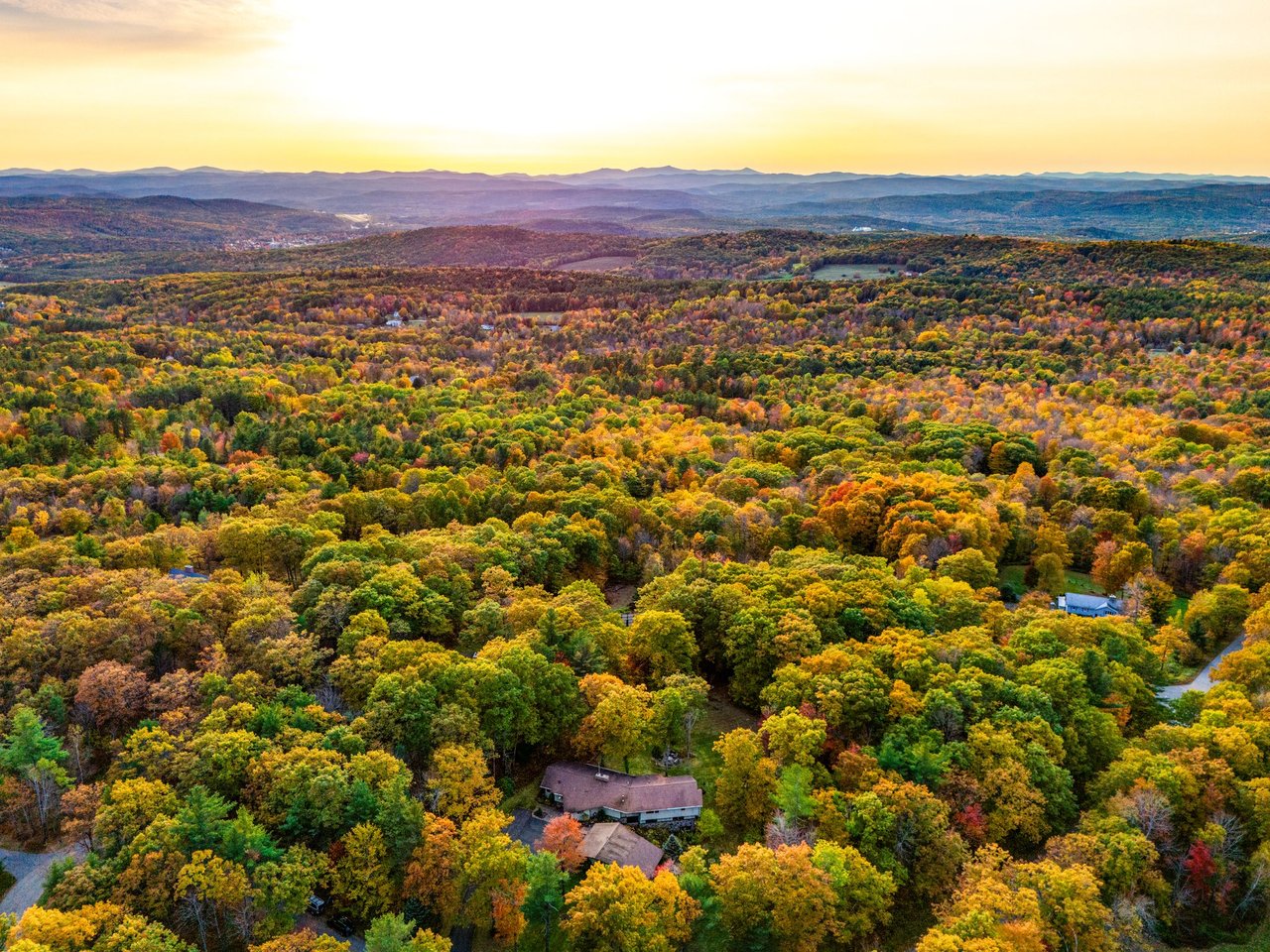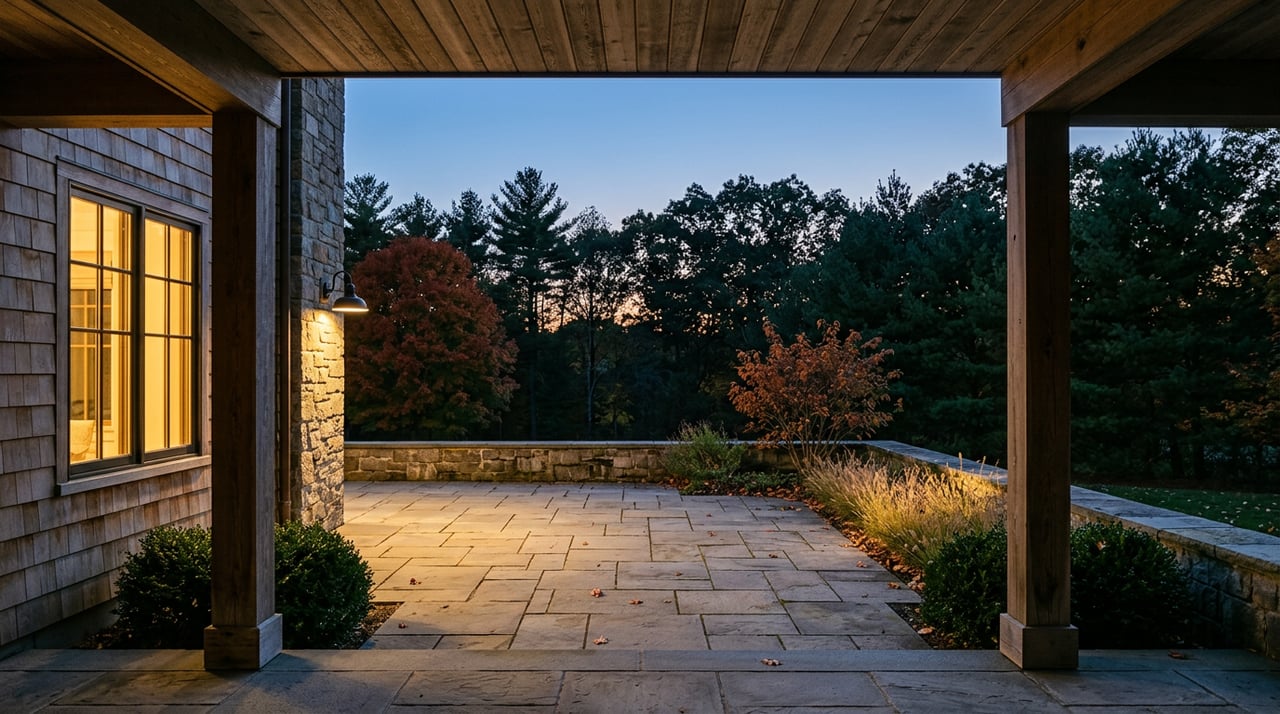
Picture two condominiums in Quechee listed within about $10,000 of each other, both roughly the same square footage, both a short walk from the Ottauquechee River. On paper, a buyer comparing them side by side would call it a coin flip. In practice, one of those buyers could end up writing a check for $7,500 at closing that the other one never has to write, plus an annual bill the other one will never see.
That gap has nothing to do with condition, lot size, or negotiating skill. It comes down to a single fact buried in the property records rather than the listing sheet: whether the home is "elected" into the Quechee Lakes Landowners Association.
Not Every Quechee Home Belongs to the Club
Quechee is often shorthand for the entire resort-style community built around the Quechee Club, but the town itself is bigger than that community, and even inside it, not every property carries the same obligations. Local brokerages that work the town regularly describe it plainly: many houses in Quechee are permanently elected to the Quechee Lakes Landowners Association, which comes bundled with a mandatory yearly association fee and access to the club's amenities, while other homes in Quechee are sold with no election to the association at all.
That word, elected, is doing real work. It means the membership is attached to the deed, not to the buyer's preference. If a home is elected, the new owner inherits equity membership in the Quechee Club automatically. If it isn't, no amount of wanting to golf on the Highland course changes that.
The Quechee Lakes Landowners Association was incorporated in February 1970 to hold, manage, regulate, and maintain the roughly 5,500 acres of common land and amenities that make up the planned community. Ownership of an elected lot, home, or condominium carries equity membership in Quechee Club as a matter of course. That membership is the reason Quechee shows up in national searches with photos of golf greens and a private beach. It is also the reason two nearly identical listings can carry very different costs to actually own.
The Bill That Never Makes It Into the Listing Price
According to the Quechee Club's own membership documentation, a property transfer inside the association triggers a one-time transfer fee of $7,500, payable at closing. On top of that, member households carry an annual food minimum of $500 at the club's dining venues, plus the ongoing yearly association dues that fund the roads, grounds, and shared facilities.
None of that appears in a listing's asking price. A buyer comparing two homes purely on list price is comparing incomplete numbers, and the difference isn't trivial for a second-home buyer weighing carrying costs against how often they'll actually use the property.
This is also why the fee structure deserves a direct question to the listing agent or seller before an offer goes in, not a discovery during attorney review. Ask whether the property is currently elected to the association, what the current annual dues are, and whether the $7,500 transfer fee applies to this specific transaction. The club's realtor resources point buyers and agents to a current dues and membership guide for exactly this reason, because the numbers are updated and a listing description alone won't carry them.
Why the "Median Price for Quechee" Keeps Changing Depending on Where You Look
Pull up three different national home search sites this year and you'll get three different numbers for what a Quechee home costs. One shows a median sale price in the $360,000s over a recent three-month window. Another shows a median list price in the $420,000s. A third puts the current median closer to $460,000. None of them are wrong exactly, but none of them are describing the same market either.
Quechee sells only a handful of homes in a typical month. When a national portal reports on a rolling three-month window, it's often averaging together whatever mix of condos, elected single-family homes, and non-elected properties happened to close in that stretch. A month where three modest condos close looks completely different from a month where two elected estate lots close instead. The volatility in these portal numbers isn't a sign the market is unstable. It's a sign the sample is small enough that the mix matters more than the trend.
Full-year local sales data tells a steadier story. Single-family homes sold in Quechee posted a median price of $600,000 in 2022, $615,000 in 2024, and $655,000 in 2025, a gradual climb that looks nothing like the swings a monthly portal snapshot suggests. Condominiums sold at a separate and lower median, $364,500 in 2024, reflecting the different product entirely rather than a discount on the same one.
| Measure | 2022 | 2024 | 2025 |
|---|---|---|---|
| Single-family homes sold | 45 | 39 | 37 |
| Median sold price | $600,000 | $615,000 | $655,000 |
| Condos sold | — | 46 | — |
| Condo median sold price | — | $364,500 | — |
The Gap Between What Sells and What's Sitting
The more useful number for a buyer right now isn't the median sold price at all. It's the gap between that number and what's currently listed. Over 2025, the median sold price for a single-family home in Quechee was $655,000, and those homes moved in an average of 59 days with sellers giving up about 2.7 percent off list price on average. Meanwhile, the homes still sitting on the active market carried a median asking price of $1,425,000, more than double the sold figure, and had been on the market an average of 157 days, nearly three times as long.
That's not a market where everything is appreciating in lockstep. It's a market where a cluster of higher-priced, likely elected properties, the ones carrying full club access and lake or golf frontage, are priced ahead of what buyers have actually been willing to pay, while more modestly priced homes below that threshold are moving at a normal pace. For a buyer with room to negotiate, that gap is leverage. A listing sitting near the top of that range has already told you, through its time on market, that the number on the sign is aspirational rather than tested.
What the Membership Is Actually Buying
The dues and transfer fee aren't paying for nothing. The Quechee Club operates two 18-hole golf courses, Highland and Lakeland, originally designed by golf course architect Geoffrey Cornish. Both courses were rebuilt after Tropical Storm Irene destroyed 27 of the club's 36 holes in 2011, with a full re-grand opening completed by 2015. Members also have access to Lake Pinneo for swimming and boating, a 10,000-square-foot indoor Natatorium built in 2016 with a fitness center and four-lane pool, and the community's own ski hill with groomed trails for downhill and cross-country skiing in winter.
For the kind of second-home or vacation buyer who wants a property that comes with a built-in four-season routine rather than a to-do list of separate memberships to arrange, that bundle can be worth every dollar of the transfer fee and dues. For a buyer who wants a quiet Quechee home and has no interest in golf or club dining, paying into a system they won't use is a cost with no offsetting benefit, and it's worth asking whether a comparable non-elected property nearby gets them the same house without the same bill.
A Few Direct Questions Before You Offer
Is this specific property elected to the Quechee Lakes Landowners Association, or not? This is a title and deed question, not a matter of preference, and it should be confirmed in writing before an offer is drafted.
What are the current annual dues, and has the $7,500 transfer fee been factored into your offer math? Ask for the current membership and dues schedule rather than relying on an older marketing sheet, since the club has been in the middle of a phased campus renovation and fee structures can shift.
Why has this listing been on the market longer than the local average? If a home sits well past 59 days, especially at a price closer to the $1.4 million range, that's a prompt to ask what the seller's actual floor might be rather than accepting the list price as the starting point for negotiation.
Quechee rewards a buyer who reads past the headline number. The median price you see online was never describing one market. It was averaging together a club membership and a house that has nothing to do with the club, and the two are priced, taxed, and negotiated differently. Knowing which one you're looking at before you write an offer is the difference between budgeting accurately and finding out at the closing table.
If you're comparing a specific Quechee listing and want a clear read on whether it's elected, what the real carrying costs look like, and where it sits against this year's sold data, Andy Clouse can walk through the numbers with you before you write an offer. Let's Connect.