You only get one chance to make a waterfront first impression. On Lake Sunapee, small details on the shore, dock, and documentation can swing value and days on market. If you want top-dollar with fewer surprises, a clear plan will help you prepare, present, and negotiate with confidence. In this guide, you’ll learn what to tackle first, how to market the lake lifestyle, and how to time your launch in Sunapee. Let’s dive in.
Know the rules first
Before you fix or stage anything, confirm what is permitted on your shoreline and dock. New Hampshire regulates work within protected shoreland zones, and changes to docks, bulkheads, or vegetation often need review. Start by checking the NHDES Shoreland and Wetlands programs for permit history and guidance. Then contact Town of Sunapee building and zoning to verify local requirements and any recorded variances or setbacks.
Aquatic invasive species prevention is active on Lake Sunapee. Keep boats and trailers clean, gather any inspection or decontamination records, and follow local guidance from the Lake Sunapee Protective Association and the NHDES Aquatic Invasive Species program.
Check your flood zone on the FEMA Map Service Center. Flood-risk designations can affect insurance, lending, and buyer confidence. If you rely on a private well and septic, collect permits, service logs, and any recent test results. You can find statewide resources through NHDES wastewater and septic.
Finally, address safety and liability. Make sure docks and railings are secure, post simple safety signage where appropriate, and discuss disclosures with your agent and insurer.
Fix what buyers notice most
Prioritize items that directly shape buyer confidence and appraised value.
Dock and boathouse condition
- Repair loose boards, rotted timbers, and wobbly railings. Tighten fastenings and verify floatation on floating docks.
- Clean the dock surface, remove algae and clutter, and present a clear, safe walkway.
- If the dock’s permits are missing or unclear, disclose and work on regularizing before you list.
Shoreline stability and erosion
- Address active erosion or exposed roots. Use native vegetation or approved controls where allowed.
- Do not install new walls or riprap without checking permits. Many shoreline fixes require NHDES or town approval.
Water access and clarity
- Clear visible litter and boat debris, and tidy the waterline for photos and showings.
- If you have a sandy or pebble section, groom it and show defined usable areas.
Elevate curb appeal and systems
Waterfront buyers view your home from the road and the lake. Present both sides at their best.
Landscaping and exterior
- Keep mowing lines crisp and plantings tidy, especially on the lake-facing side.
- Trim sightlines with care. Preserve buffers that protect water quality and avoid clear-cutting.
- Refresh paint or stain on lake-facing siding and decks. Replace torn screens and clean windows to showcase the view.
Interiors and lake lifestyle
- Orient furniture toward the windows. Remove heavy curtains and keep glass spotless.
- Organize boat gear and waterside storage so buyers imagine their own summers here.
Mechanical systems
- Confirm septic and well are in good working order and keep service documentation ready.
- Test HVAC, generators, and winterization systems. Buyers will ask how the home handles the off-season.
Market like a waterfront pro
Premium media sells the lifestyle as much as the house. Professional photography, drone, and video can compress time on market and improve your negotiating position.
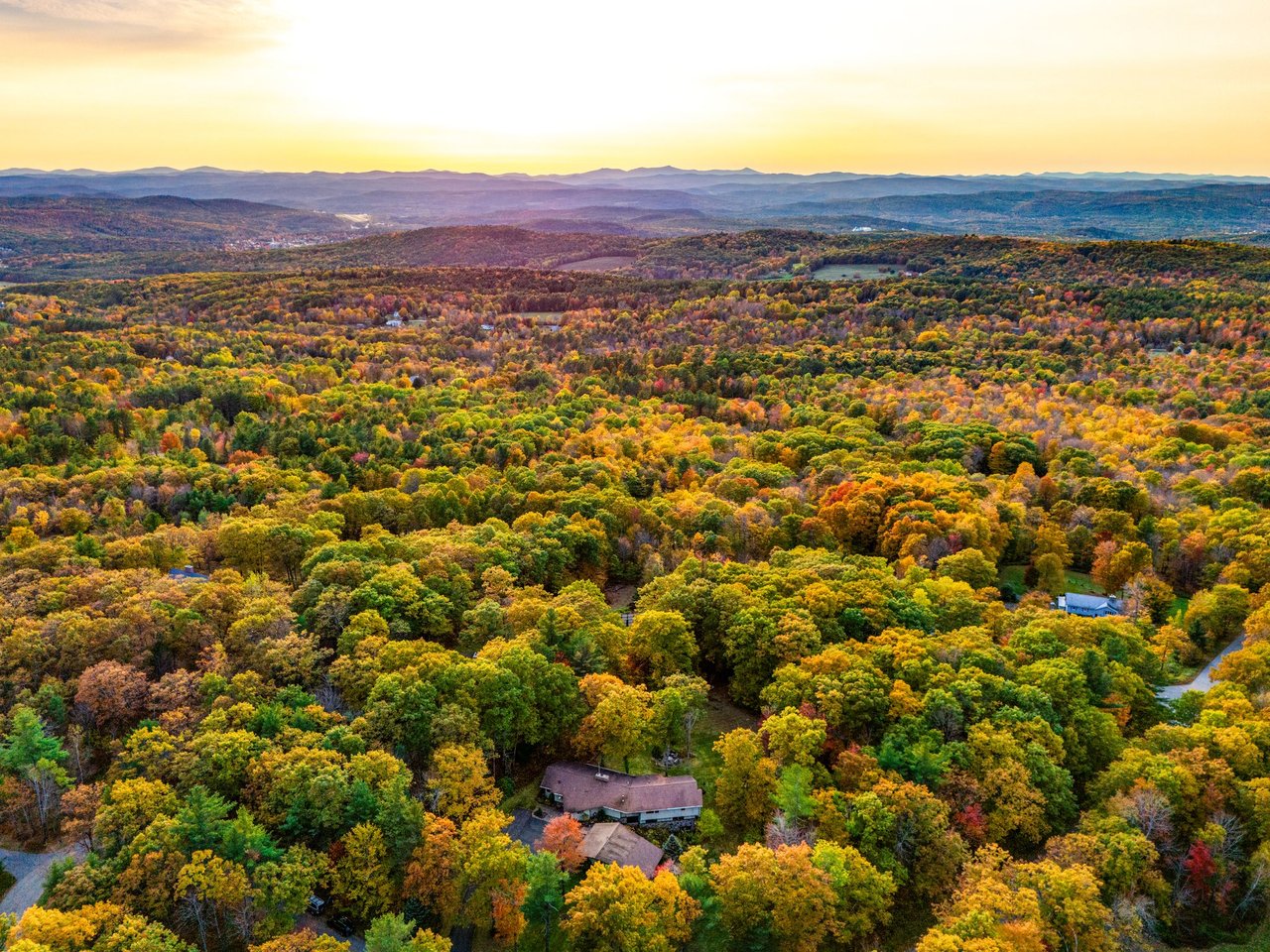
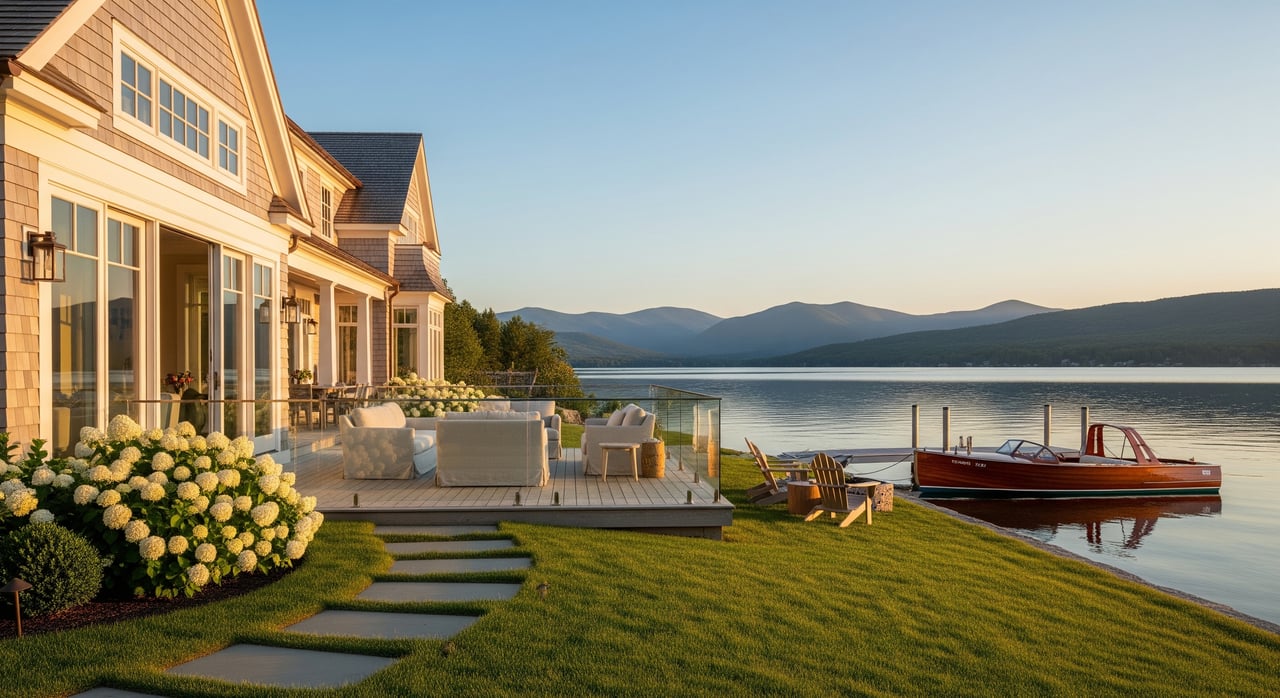
- Photos to prioritize: aerial shoreline context, dock close-ups, twilight exteriors, and interiors framed to the water.
- Add a short video or virtual walk showing the path to the dock and the view from the end of it.
- Capture images in calm-water conditions when possible. Avoid photos that highlight seasonal algae or chop.
- Provide a simple site map with lot lines, shoreline type, dock location, and slope. Share any survey or septic map.
- Include key listing details: linear feet of frontage, shoreline type, dock and mooring specs, beach access type, flood zone status, and any seasonal use notes.
Prepare a clean documentation packet. Include dock and shoreline permits, septic and well records, surveys, recent repairs, AIS inspection logs, and typical utility costs. Transparency builds trust and can prevent retrades later.
Plan for seasonality and showings
Spring and summer often deliver the strongest waterfront engagement because buyers can feel the lake lifestyle in person. Winter can still work if you lean into year-round amenities like Mount Sunapee State Park and show how the property performs in cold weather.
- Summer and shoulder seasons: Allow buyers to experience the dock, beach, and neighborhood by land and, if appropriate, by water. Set dock safety rules, limit people on the dock, and have life jackets available.
- Winter: Keep walkways cleared and railings secure. If the dock is removed, display summer photos that clearly show full lake access.
- Weekends and holidays: Decide whether to showcase the lively summer scene or schedule showings during quieter windows.
- Boat-access events: If you plan a boat-access open house, coordinate with your agent, insurer, and neighbors to manage traffic and safety.
Price with waterfront insight
Waterfront value varies widely. The premium depends on permanent water access, frontage length, shoreline type, view quality, privacy, flood risk, and proximity to launches and amenities. Use recent Sunapee waterfront comps and a local strategy to set price.
Timing can influence outcomes. Listings that launch in strong showing seasons may draw broader interest. Consider a pre-listing inspection for structure, septic, well, and dock. Clean reports and recent service receipts can reduce renegotiations and keep deals on track.
Six to eight week timeline
Follow this practical schedule to control the process and protect value.
6 to 8 weeks out
- Verify dock, shoreline, and septic permits with NHDES and the Town of Sunapee.
- Order or gather survey, septic and well records, and service history.
- Schedule dock and shoreline repairs. Confirm which items need permits first.
- Book cleaners and plan minor interior fixes.
- Contact LSPA for AIS guidance and collect any inspection or decon records.
3 to 4 weeks out
- Finish exterior touch-ups and focus landscaping on the lake-facing side.
- Stage interiors to highlight water views. Remove excess waterside clutter.
- Hire a professional photographer and videographer. Confirm drone permissions.
- Decide on your listing window based on market conditions and season.
1 to 2 weeks out
- Deep clean, wash windows, pressure-wash walkways and dock.
- Assemble your documentation packet with permits, inspections, surveys, AIS logs, and utility averages.
- Brief your agent on special features and any known hazards.
- Set showing rules for dock access and safety procedures.
Launch day
- Go live with polished photos, aerials, video, and a simple site map.
- Make sure the shoreline is tidy and the home is show-ready for day one.
Common pitfalls to avoid
- Unpermitted dock or shoreline work can delay closing or require costly fixes.
- Hidden erosion or failing structures often surface after inspection and can impact price.
- Missing septic, well, or permit documentation raises doubt and slows deals.
- Listing in the off-season without strong summer imagery can undersell the lifestyle.
Ready to sell confidently
Preparing a Lake Sunapee waterfront home takes planning, precision, and purposeful marketing. When you align permits, safety, shoreline condition, premium media, and a smart schedule, you create a compelling story that buyers trust. If you want a disciplined, concierge approach tailored to Sunapee’s waterfront market, connect with Andy Clouse to craft your sale strategy.
FAQs
Do I need a permit to repair my Sunapee dock?
- It depends on scope and rules. Changes to size, footprint, or any dredge or fill often require review by NHDES and the Town of Sunapee. Always confirm before work begins.
Are private docks on Lake Sunapee transferable to buyers?
- Transferability depends on permit conditions and recorded easements. Provide the dock permit and any association rules so buyers can confirm transfer terms.
How should I address aquatic invasive species when selling?
- Keep boats and gear clean, share any inspection or decon records, and follow guidance from LSPA and NHDES. Disclose any known AIS history or prevention steps.
Should I remove the dock for winter showings?
- Not required. Ensure safe access and provide clear summer photos that show full shoreline use. Note any seasonal dock removal in your listing details.
What disclosures are specific to Sunapee waterfront homes?
- Disclose flood zone status, shoreline and dock permits or violations, known erosion or bank stability issues, any AIS history, and recorded easements or shared access.