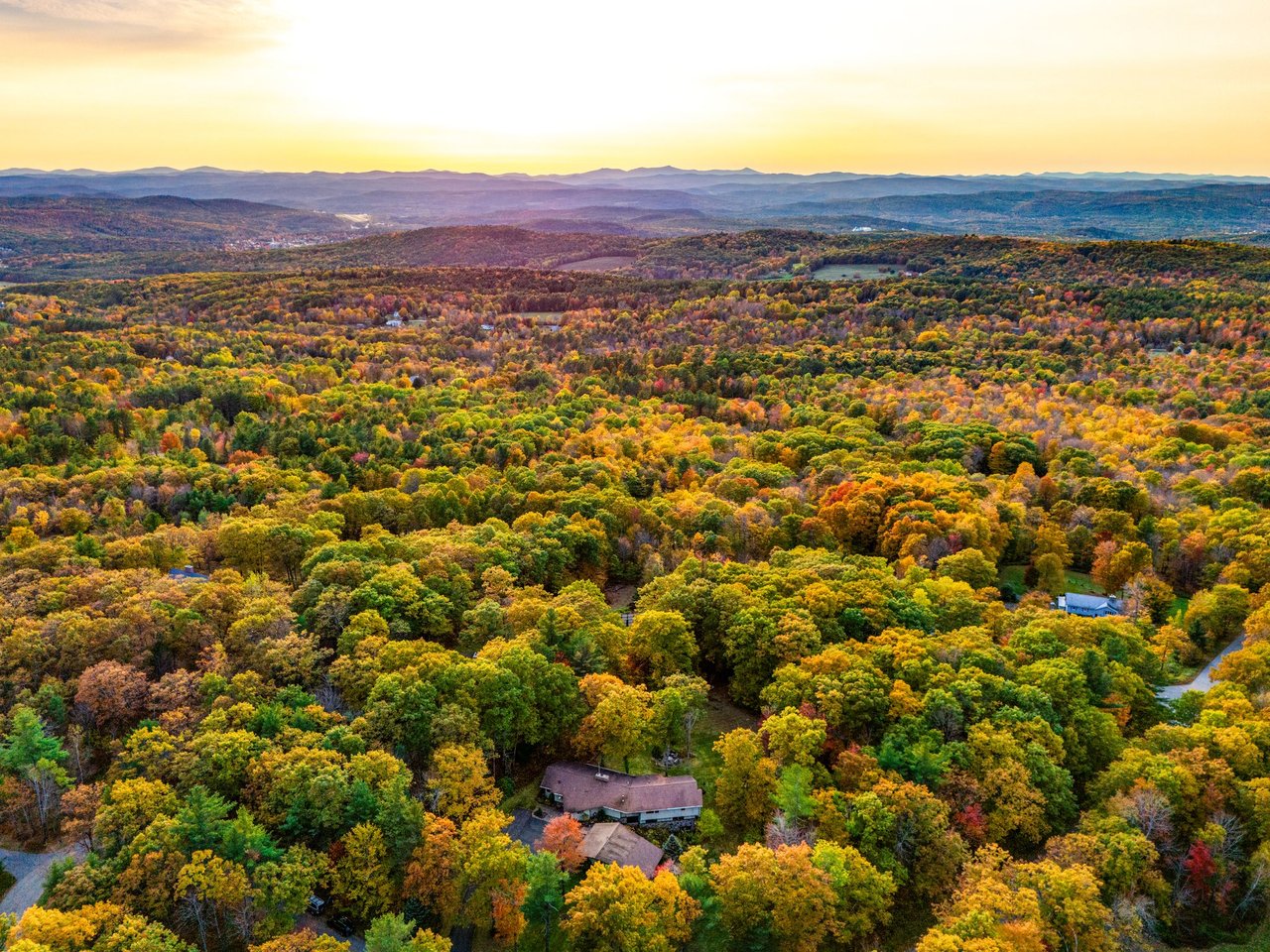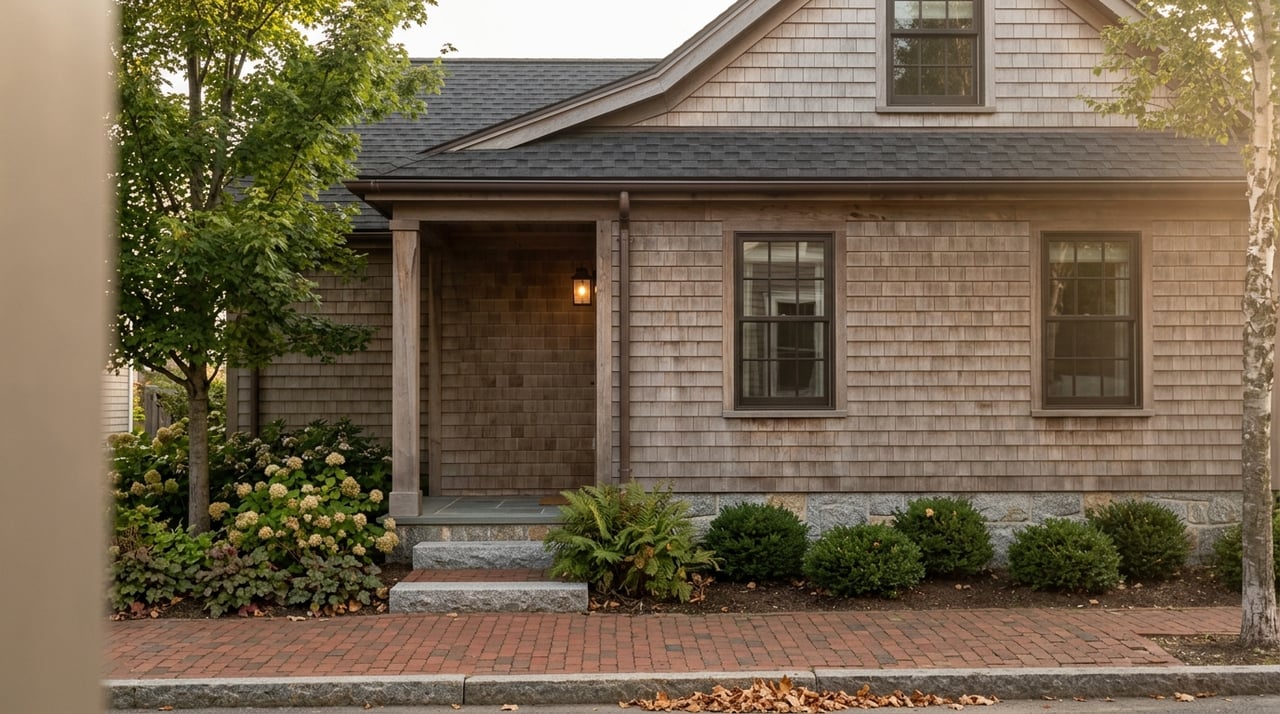
What if the best part of living in Hanover has as much to do with trails, village centers, and year-round community spaces as it does with the Dartmouth Green? If you are considering a move here, it helps to look past the college-town label and understand how daily life actually works. From walkable downtown routines to outdoor recreation and practical buyer considerations, here is a clearer picture of what living in Hanover, NH looks like beyond the college green. Let’s dive in.
Hanover Has More Than One Center
Hanover is often associated first with Dartmouth, and for good reason. The Dartmouth Green is the town’s best-known open space and serves as a physical link between campus and Main Street, according to the Town of Hanover open space materials.
But Hanover is not just a campus setting with homes nearby. The town has also been actively studying how downtown functions as a shared neighborhood, with workshops focused on public space, parking flow, and stronger integration between the college, businesses, and residents, as outlined on the Downtown Hanover planning page.
That broader identity shows up outside downtown too. In Etna Village, town planning materials highlight daily destinations like the store, post office, library, and Trumbull Hall fields, pointing to a lifestyle with more than one local hub in Hanover.
Daily Life Feels Walkable and Connected
Hanover’s civic life tends to gather in a few well-used places rather than a large network of pocket parks. That creates a rhythm where downtown, the Green, libraries, trails, and community facilities play an outsized role in how you spend your time.
For many buyers, that is part of the appeal. You can picture a day that includes coffee or errands downtown, time on local trails, an event in town, and an easy return home without needing to plan around long drives.
Hanover also offers practical mobility options that are uncommon for a town of its size. The town notes that there are more than 600 metered parking spaces, plus a 289-space garage at 7 Lebanon Street, and Advance Transit provides fare-free service across the Upper Valley.
Outdoor Access Shapes the Hanover Lifestyle
If you enjoy being outside, Hanover stands out in a big way. The town says it has more than 100 miles of public trails, giving you access to a recreation network that is built into everyday life rather than treated as a weekend extra.
One of Hanover’s most distinctive features is the Appalachian Trail. The town says the trail enters Hanover over Ledyard Bridge, runs down Main Street, and exits at Goose Pond Road, while Dartmouth Libraries notes Hanover is one of only ten towns where the Appalachian Trail runs right down the main street, a detail referenced in the town’s trail program information.
That connection between town and landscape continues beyond the trail network. The Mink Brook Corridor materials say the watershed covers more than 40% of Hanover’s land area and runs through the heart of town, helping explain why Hanover feels closely tied to conservation land and natural systems.
Recreation Goes Beyond Hiking
Hanover’s outdoor life is not limited to trails. Storrs Pond Recreation Area is just minutes from downtown and includes a heated pool, pond access, splash pad, tent and RV sites, pavilions, hiking, disc golf, and tennis.
That kind of amenity matters because it gives you a recreation option that is flexible and easy to use. Whether you want swimming, a casual summer afternoon, or a base for visiting family and friends, Storrs Pond adds another layer to the local lifestyle.
Winter is active here too. The Hanover Improvement Society operates Campion Rink for hockey and skating, and town open-space materials note that local lands and golf-course areas are used for cross-country skiing, sledding, skating, and walking in colder months.
Arts and Events Fill the Calendar
Living in Hanover is not only about outdoor access. The town also offers a strong mix of arts, film, library programming, and special events that can make the community feel active year-round.
Dartmouth’s cultural institutions are part of that picture. The Hopkins Center for the Arts describes art as central to life, and the Hood Museum shares exhibitions, programs, and events with Dartmouth and local communities.
Hanover’s libraries also play an important civic role. On the Libraries of Hanover page, the Etna Library is described as supporting lifelong learning, literacy, creativity, and cultural expression, while Howe Library is framed as a place that brings people, resources, and information together.
If you like having local entertainment close to home, the Nugget Theaters add another Main Street anchor. Operated by the Hanover Improvement Society, the Nugget has been a downtown landmark for more than 100 years and shows both major releases and award-winning films.
Town events round out the social calendar. The Hanover special events page notes that many events are free and family-oriented, including the Old Fashioned Fourth of July Celebration and Picnic in the Park.
What Buyers Should Know About Hanover Housing
From a buyer’s perspective, Hanover is a high-cost market with a strong owner-occupancy base. According to the latest U.S. Census QuickFacts for Hanover, the 2024 population estimate is 12,005, the owner-occupied housing rate is 73.7%, the median owner-occupied home value is $824,900, and the median gross rent is $2,253.
The same Census data lists median household income at $169,583 and mean commute time at 19.5 minutes. For you as a buyer, that points to a market where pricing, availability, and timing deserve a thoughtful strategy.
This is especially important if you are relocating from out of state or trying to compare Hanover with other Upper Valley options. A town can feel small and still have a highly competitive housing environment.
Schools and Regional Convenience
If your move involves school planning, Hanover has an unusual regional structure. SAU 70 describes itself as the nation’s first interstate school district, serving Hanover, New Hampshire, and Norwich, Vermont.
Within that system, Hanover High School says it serves about 700 students in grades 9 through 12, and Ray School serves elementary-age children in Hanover and Etna. For relocating households, the key takeaway is that school geography and district structure may be worth reviewing early as part of your move planning.
Regional access is another practical plus. Between fare-free transit, concentrated downtown amenities, and manageable commute times, Hanover can offer a more connected daily routine than many buyers expect from a small New England town.
Why Hanover Appeals to So Many Buyers
Hanover stands out because it blends several lifestyles at once. You get a compact downtown, a strong community calendar, access to arts and libraries, village-scale destinations like Etna, and a trail system that reaches deep into everyday life.
That mix can appeal to many kinds of buyers, including relocators, second-home shoppers, and people who want a town with both civic energy and direct access to the outdoors. It feels established, active, and shaped by more than one institution or amenity.
If you are thinking about a move to Hanover or comparing it with other Upper Valley towns, local guidance can make the search much more efficient. To talk through neighborhoods, property types, and what fits your goals, connect with Andy Clouse.
FAQs
What is daily life like in Hanover, NH beyond Dartmouth?
- Daily life in Hanover includes downtown errands and events, village destinations like Etna, extensive trail access, local libraries, recreation at Storrs Pond, and year-round community activities beyond the college setting.
How much do homes cost in Hanover, NH?
- According to U.S. Census QuickFacts, Hanover’s median owner-occupied home value is $824,900, which reflects a higher-cost market with strong owner occupancy.
Does Hanover, NH have good outdoor recreation?
- Hanover offers over 100 miles of public trails, access to the Appalachian Trail through town, the Mink Brook Corridor, Storrs Pond Recreation Area, and winter recreation options like skating and cross-country skiing.
Is Hanover, NH walkable?
- Hanover has a compact downtown and shared civic spaces that support walkability, along with parking resources and fare-free Advance Transit service across the Upper Valley.
What should buyers know before moving to Hanover, NH?
- Buyers should understand Hanover’s higher home values, strong owner-occupancy rate, transit and parking options, school district structure through SAU 70, and the town’s mix of downtown, village, and outdoor lifestyle features.