Thinking about a second home in New Hampshire, but not sure whether you want a true getaway, a four-season base, or a place that feels manageable from a distance? Grantham stands out because it offers a quieter, rural setting with practical access off I-89, plus a built-in lifestyle community at Eastman that appeals to many second-home buyers. If you want to understand what Grantham does well, where the tradeoffs are, and whether it fits the kind of retreat you actually want, this guide will help you sort it out. Let’s dive in.
Why Grantham draws second-home buyers
Grantham is a small rural town in Sullivan County with about 3,465 residents spread across 27.2 square miles. The town describes itself as part of the Upper Valley and Lake Sunapee regions, which gives you access to both outdoor recreation and broader regional services. For many buyers, that mix creates a useful middle ground between isolation and convenience.
Location is a big part of the appeal. Grantham sits off Exit 13 on I-89, and the town notes that it is a short distance from Lebanon and Concord. It also lists Manchester at 60 miles and Boston at 110 miles, which helps explain why the area can work as a weekend home, seasonal property, or part-time retreat.
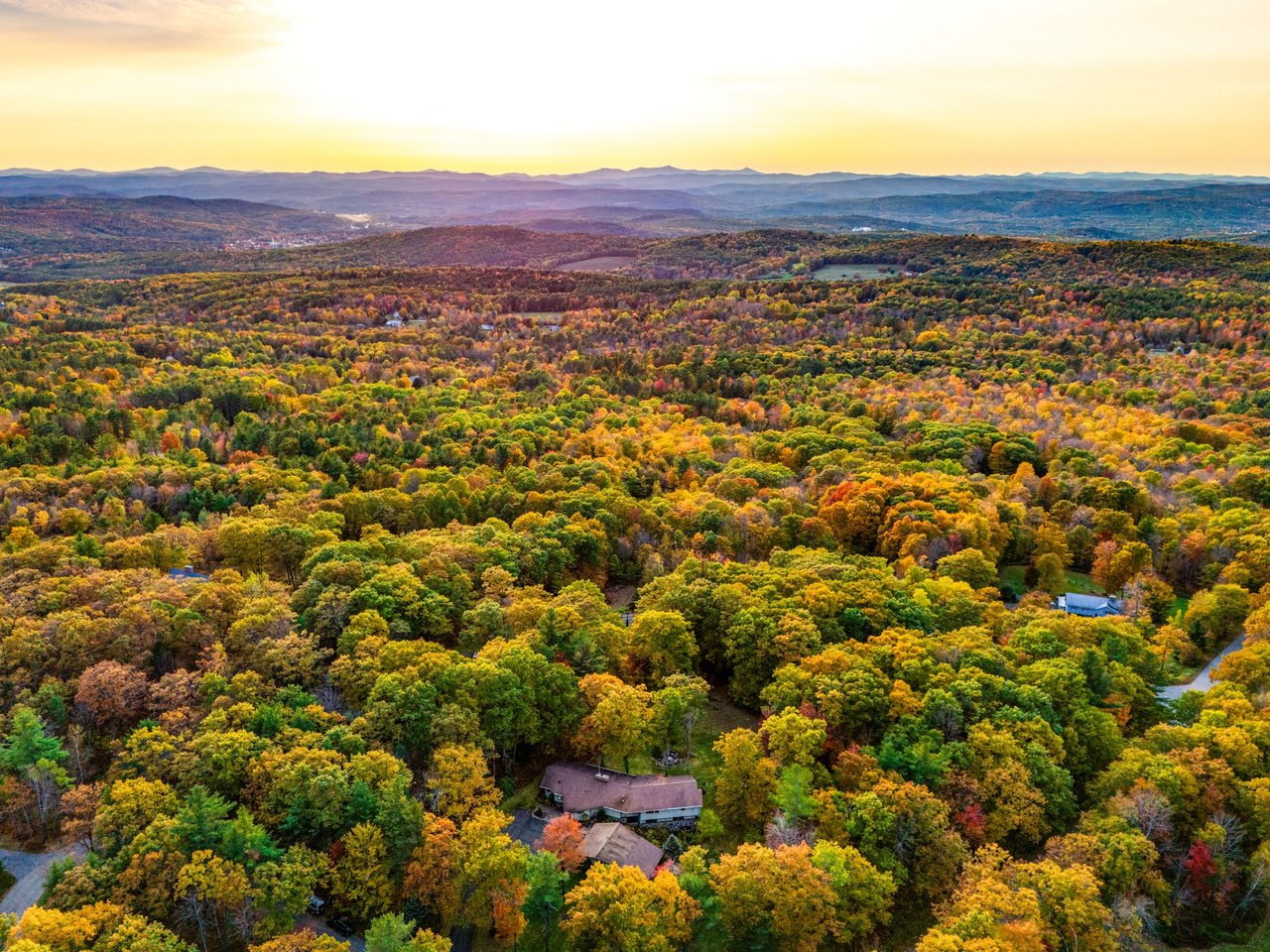
Grantham also tends to feel more residential and low-key than a busy visitor hub. The town highlights recreation programming, annual events, and community activities rather than a dense commercial center. If you want a second home that feels calmer and more private, that may be a strong point in Grantham’s favor.
Eastman shapes the second-home market
If you are considering Grantham for a retreat property, Eastman is the centerpiece of the conversation. Eastman is a 3,700-acre four-season residential and recreational community in the Dartmouth-Lake Sunapee region. It includes homes, condos, and undeveloped sites, giving buyers several different ways to enter the market.
That range matters. Eastman says the community includes 1,000 houses and 335 condos, with choices that include waterfront homes, golf-course views, and wooded hillside settings. Whether you want lower-maintenance ownership or a more private detached home, Eastman gives you more than one path.
Eastman also feels more like a managed lifestyle community than a simple lake neighborhood. The association points to a two-mile lake, six beaches, an 18-hole championship golf course, tennis and pickleball courts, a fitness center, an indoor pool, and miles of hiking, cross-country ski, and snowshoe trails. For many second-home buyers, that amenity package is the main reason Grantham stays on the shortlist.
Four-season recreation is a real strength
One of the clearest advantages of Grantham is that recreation is not limited to one season. Eastman combines warm-weather lake use and golf with winter trail access, snowshoeing, and cross-country skiing. The indoor pool and fitness center also help support year-round use.
That makes Grantham especially appealing if you want your second home to stay useful beyond summer weekends. Instead of a property that feels dormant for part of the year, you get a setting designed for four-season activity. For buyers who want flexibility, that can be a major benefit.
Conservation adds to the retreat feel
Eastman says about 12% of its land is under conservation easements, and it describes the golf course as an Audubon-certified sanctuary. Those details support the idea that the community is designed around preserved land and outdoor use, not just housing density.
For you as a buyer, that can shape the experience in a meaningful way. A retreat often feels better when the setting stays quiet, wooded, and visually protected. In Grantham, that conservation-minded structure is part of what separates Eastman from a more purely tourism-driven destination.
What ownership costs deserve a closer look
If you are buying in Eastman, you should look carefully at carrying costs. The FY2027 annual assessment is $4,501 for houses and condos and $3,634 for unimproved lots. Eastman also states that these assessments are governed by its covenants and restrictions, so they are not optional.
There is also a one-time membership fee. As of April 1, 2025, Eastman lists that fee at $7,000 for a house or condo purchase and $1,500 for a vacant lot purchase, with the remaining balance due when building starts. These numbers should be part of your budget from day one, not treated as a surprise after you go under contract.
Beyond assessments, Eastman notes a water usage charge and a water precinct tax for all properties. On the town side, Grantham requires transfer-station stickers, and renters need to provide a lease agreement to get them. If you are buying from out of area and want simple, low-friction ownership, these are the kinds of details worth understanding early.
What the assessment helps cover
Those costs do come with value, especially if you plan to use the amenities regularly. Eastman’s Universal Amenity Program allows house and condo owners to use the pool, fitness center, cross-country ski trails, golf driving range, and tennis and pickleball courts at no extra cost. That can make the annual assessment easier to justify for buyers who want an active lifestyle.
The structure is also useful for some seasonal owners. Eastman says that the amenity privilege can be transferred to a long-term tenant of 90 days or more. If your long-term plan includes limited rental use, that feature may be worth discussing as part of your ownership strategy.
Grantham vs. Sunapee and the Upper Valley
Grantham makes the most sense when you compare it to nearby alternatives. Lake Sunapee is often the more obvious second-home market because it has a long tourism history and a more visitor-facing atmosphere, including a harbor area with shops and restaurants. That can be attractive if you want a classic destination feel with more public activity.
Grantham, by contrast, leans more private and residential. Eastman offers organized recreation and a strong amenity base, but the experience is less about being in the middle of a tourism scene and more about having a retreat community with structure. If you are choosing between energy and quiet, that distinction matters.
The Upper Valley offers another comparison point. Dartmouth describes the region as having outdoor recreation, arts and culture, museums, restaurants, breweries, and shops. So if your ideal second home is closely tied to town, campus, and service access, the broader Upper Valley may feel more practical than a retreat-focused setting in Grantham.
Pricing is relatively approachable for the region
On current ACS snapshots, Grantham’s median owner-occupied home value is $343,100. That compares with $393,000 in Sunapee, $385,400 in Lebanon, $554,100 in New London, and $842,600 in Hanover. While any individual property can differ widely, those figures suggest Grantham sits toward the more accessible end of the regional spectrum.
That does not mean every second home in Grantham is inexpensive. It does mean the town can offer a compelling value conversation for buyers who want access to the Lake Sunapee and Upper Valley orbit without targeting the highest-priced nearby markets. For many second-home buyers, that balance is part of the appeal.
The tradeoffs to think through
No second-home market is perfect for everyone, and Grantham has some practical tradeoffs. The town notes that it does not have a full-time fire department, curbside trash pickup, or a mandatory recycling program. Ownership may feel more self-directed than in a town with more built-in municipal services.
That is not necessarily a negative. Some buyers see it as part of the appeal of owning in a smaller rural town. Still, if you want highly serviced, low-touch ownership, you should weigh those realities against the quiet setting and recreation benefits.
You should also think about what kind of second home you want emotionally. If your vision is a lively harbor, frequent restaurant outings, and a more active tourism environment, Sunapee may feel more aligned. If your vision is a quieter base with woods, trails, beaches, and a structured residential community, Grantham may fit better.
Who Grantham fits best
Grantham is often a strong fit if you want a second home that feels like a retreat first and a destination second. It works well for buyers who value four-season recreation, easier highway access, and a setting that stays quieter than some neighboring resort-oriented areas. Eastman, in particular, suits buyers who want amenities and community structure built into ownership.
It may also appeal to buyers who want flexibility. Depending on the property, Grantham can function as a weekend place, a seasonal home, or a hybrid base that keeps you connected to the Upper Valley and Lake Sunapee region. That versatility is one of the town’s most practical strengths.
If you are considering Grantham, the key is to match the property to the lifestyle you want. A condo, detached home, waterfront option, or unimproved lot each comes with different costs, maintenance demands, and ownership rhythms. A clear strategy matters as much as the location itself.
If you want help evaluating whether Grantham or Eastman fits your goals for a second home or retreat, Andy Clouse can help you compare options with a local, strategic perspective.
FAQs
Is Grantham, NH good for a second home?
- Yes, Grantham can be a strong second-home choice if you want a rural setting with I-89 access, four-season recreation, and proximity to the broader Lake Sunapee and Upper Valley regions.
Is Eastman in Grantham good for four-season living or retreat use?
- Yes, Eastman offers lake access, beaches, golf, hiking trails, cross-country skiing, snowshoeing, an indoor pool, and a fitness center, which supports year-round use.
Are Eastman fees important to budget for before buying?
- Yes, buyers should account for annual assessments, the one-time membership fee, and other possible charges like water usage and water precinct tax.
Is Grantham quieter than Sunapee for a second home?
- In general, yes. Grantham reads as a more rural and residential retreat setting, while Sunapee is more tourism-oriented and visitor-facing.
Does Grantham have practical access for out-of-area buyers?
- Yes, Grantham is located off Exit 13 on I-89, and the town lists Manchester at 60 miles and Boston at 110 miles, which supports weekend and seasonal ownership.