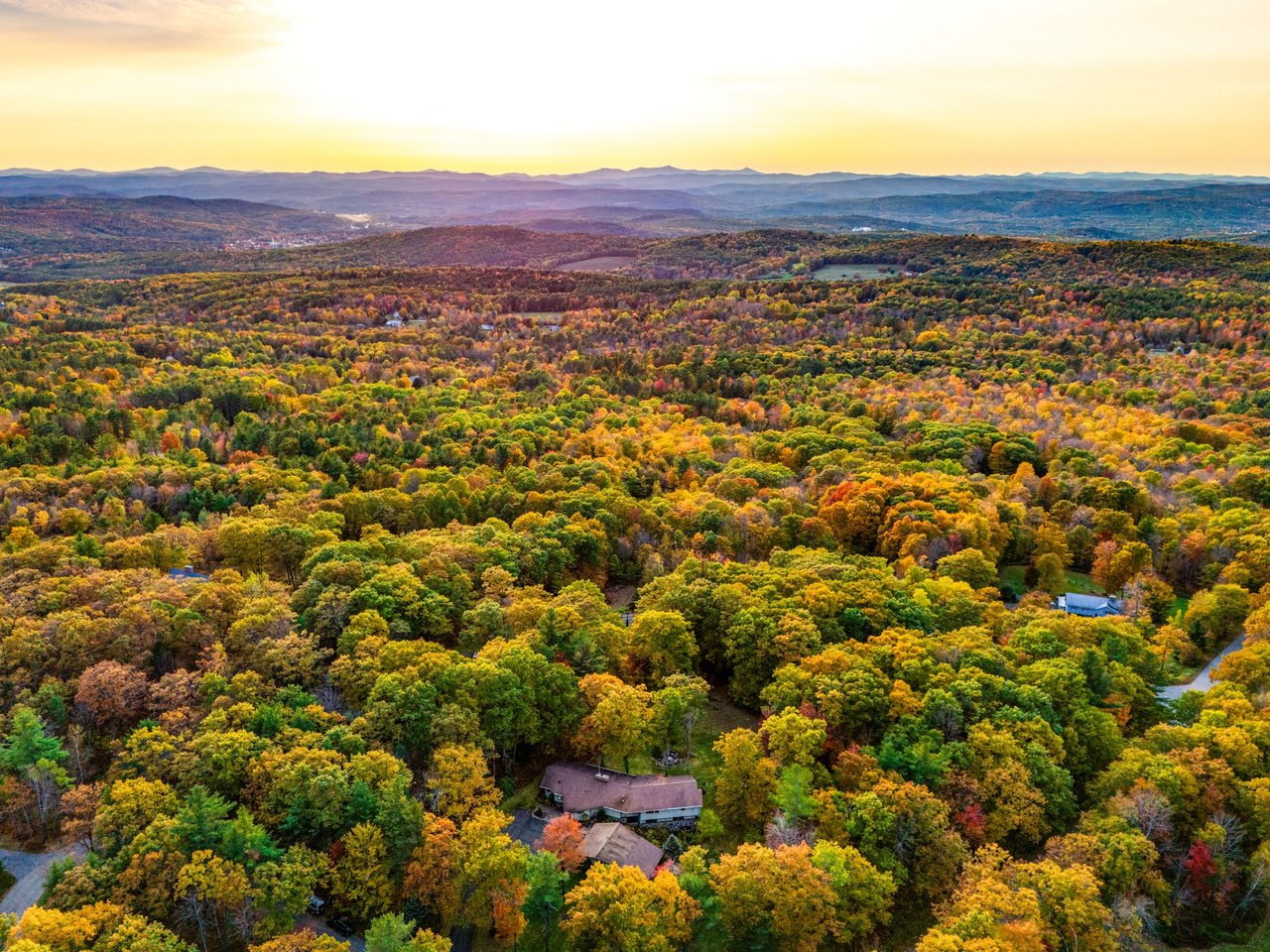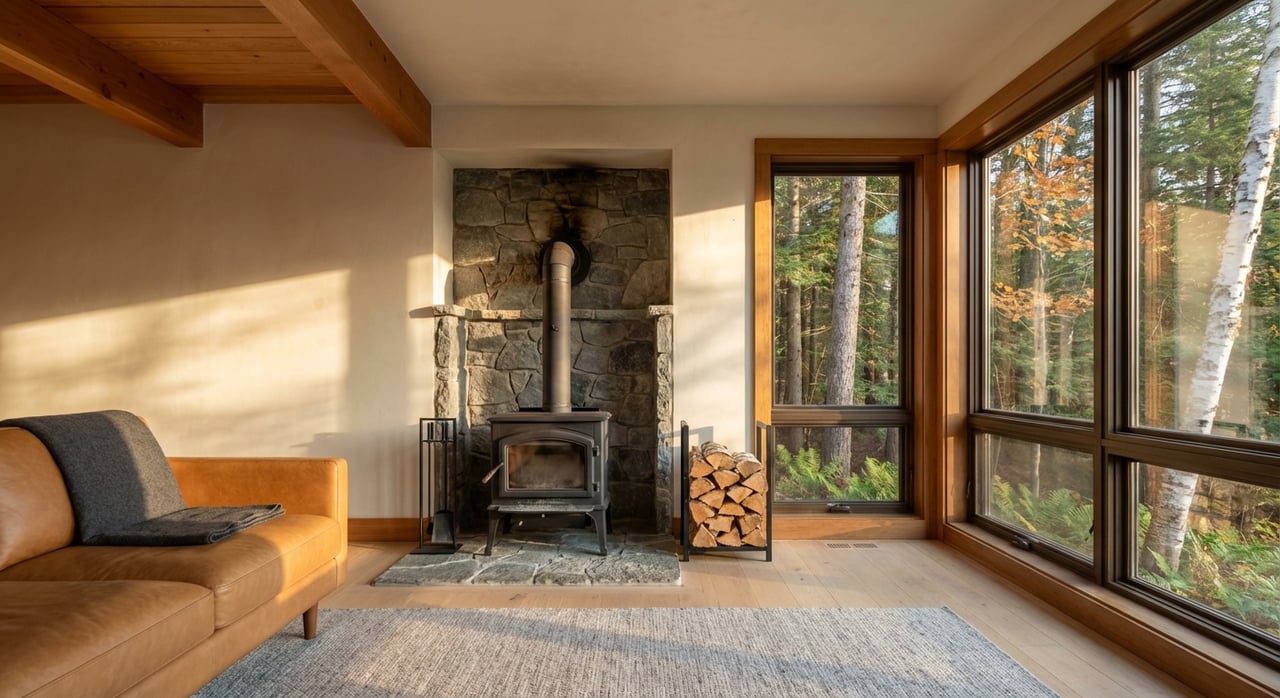
Dreaming of a second home where you can golf in the morning, ski after lunch, and unwind by a quiet lake at sunset? Quechee Lakes in Vermont offers that rare four-season lifestyle, but buying here comes with unique membership rules, documents, and fees to understand. If you want a smooth closing and no surprises, you need a simple plan for due diligence. This guide walks you through how ownership works, what to review, common red flags, and smart next steps so you can buy with confidence. Let’s dive in.
What “Quechee” means for buyers
Quechee Lakes is a long-standing, master-planned resort community in the Upper Valley, set above the Ottauquechee River. The community spans several thousand acres with a mix of condominium villages and single-family homes. Product ages vary from classic 1970s–1990s condos to newer custom builds.
Amenities are the big draw. The Quechee Club anchors the lifestyle with two 18-hole golf courses, indoor and outdoor pools, fitness facilities, racquet courts, a small ski area, a private beach at Lake Pinneo, miles of trails, dining, and year-round programming. Explore the current amenity lineup on the Quechee Club site.
Ownership and membership basics
If you buy within the Quechee Lakes Landowners Association (QLLA), you generally secure rights to equity membership at the Quechee Club. The club is the recreational and social hub of the community, and most properties carry some form of club or association obligations. You can review how landownership and membership connect in the club’s realtor resources.
Planning to try the lifestyle before buying? The club offers limited, time-bound Associate Memberships for non-owners. Terms are specific and non-transferable, so confirm how your plans align with the Associate Membership program.
Short-term and seasonal rentals are part of Quechee life, and renters may have access to amenities through owner-arranged passes. If you expect rental income, review registration steps, lease-length minimums, and guest access through Quechee Lakes Rentals.
Fees you will see and confirm
Listings often show community assessments and sometimes a one-time transfer or buy-in fee. Total carrying costs vary by property type and what services are bundled. Many buyers should plan for several-thousand-dollars-per-year in association or club-related charges.
Do not rely on a single listing to set your budget. The association’s resale certificate is the definitive source for current dues, transfer fees, and any unpaid balances. Build time into your contract to receive and review that certificate before you remove contingencies.
Your legal protections in Vermont
Vermont’s Uniform Common Interest Ownership Act (Title 27A) sets out what sellers and associations must disclose in resales. The statute requires a resale certificate that confirms assessments, unpaid amounts, and reserve information, and it sets timing for delivery. Read the buyer protections in Title 27A.
What this means for you: make delivery and review of the HOA packet a contract contingency. If the packet reveals material changes in costs or use rights, you should have room to negotiate or cancel within the agreed period.
What to read first in the HOA packet
Start with the governing documents: the recorded declaration or master deed, bylaws, and rules and regulations. These explain maintenance responsibilities, rental and occupancy rules, and architectural controls.
Then move to the numbers. Focus on the current operating budget, year-to-date financials, reserve balances, and the most recent reserve study. Community Associations Institute explains why adequate reserve funding matters and how it helps avoid special assessments. Review CAI’s guidance on reserve studies and funding.
Board and owner meeting minutes for the past 12 to 24 months can reveal upcoming capital projects, disputes, or vendor changes that affect costs. Read them closely and note any votes or proposals tied to roads, roofs, pools, or insurance.
Insurance and your coverage
Ask for the association’s master insurance declarations page. Note the policy type (walls-in or bare-walls), coverage limits, and deductibles. This determines what you must insure with a homeowner or HO-6 policy.
If you are buying a condo, you will likely need an HO-6 with loss assessment coverage. That add-on helps if the association levies a deductible or uncovered portion of a claim to owners. Learn how master policies and HO-6 coverage work from this overview of condo insurance basics.
Financing and condo project eligibility
If you are buying in a condo village, your lender may need the project to meet conventional “warrantability” standards. Lenders use tools like Freddie Mac’s Condo Project Advisor to check eligibility, and a negative finding can limit loan options or raise costs. Ask your lender to start the project review early. Get context on Freddie Mac’s project eligibility process.
Common red flags to pause on
- No recent reserve study or a study that shows a large funding gap. See CAI’s reserve study perspective on funding best practices.
- Minutes that point to big near-term projects without a clear funding plan.
- High delinquency rates or frequent special assessments in recent years.
- Significant litigation that could affect insurability or costs. Lenders flag projects with material legal issues. Review Freddie Mac’s condo project FAQs.
- Unusually high master policy deductibles that increase owner loss-assessment risk. Understand how deductibles flow to owners in condo insurance.
Due diligence checklist for Quechee buyers
Documents to request
- Resale certificate or estoppel letter required under Vermont law that confirms current dues, unpaid amounts, special assessments, and transfer fees. Reference Title 27A.
- Declaration or condo master deed, bylaws, all amendments, and rules and regulations.
- Current operating budget, most recent financials, and bank and reserve balances.
- Most recent reserve study and the association’s reserve-funding policy. See CAI’s reserve guidance.
- Board and membership minutes for the last 12–24 months.
- Master insurance declarations page and details on fidelity and D&O coverage.
- Management agreement and major vendor contracts relevant to your property type.
- Rental policy and any occupancy restrictions.
- Litigation disclosures and records of any recent special assessments.
Key questions to ask in writing
- What is the exact current annual assessment, how is it billed, and when is the next due date?
- Is there a one-time transfer or buy-in fee on resale? If yes, how much, who pays, and when is it due?
- How are club amenities funded: through association dues, separate club dues, or both? Confirm with the club’s realtor resources.
- How much is in reserves today, and when was the last reserve study performed?
- Are any capital projects expected in the next 24 months that could require special assessments or loans?
- What percentage of owners are current vs. delinquent on assessments?
- Are rentals allowed, and if so, what are the lease-length minimums and registration steps?
- Is the project involved in any litigation or major insurance claims?
How a local strategist helps you win
- Fast, accurate packet ordering. An agent who regularly works in Quechee knows how to obtain the association resale certificate quickly and what numbers and clauses deserve attention.
- Budget and reserve interpretation. An experienced advisor can read reserve studies and minutes to estimate the timing and scale of assessment risk, then structure credits, holdbacks, or pricing to protect you.
- Lender coordination. Your agent can coordinate early with your lender so any condo questionnaire or project review starts right away, avoiding last-minute eligibility surprises. Learn how lenders evaluate projects through Freddie Mac’s tools.
- Specialist referrals. If documents suggest structural, insurance, or legal complexity, your agent can bring in a condo-savvy attorney, an insurance broker familiar with HO-6 and loss assessment coverage, and other qualified pros.
Timeline tips for Quechee buyers
- Request the resale certificate as soon as you are under contract and make it a clear contingency.
- Build enough days into your offer to read the packet and follow up with written questions.
- Align your lender timeline with the HOA packet, especially for condo warrantability checks.
- Verify all dues and membership obligations through the resale certificate and, if needed, the Quechee Club membership office. Start with the state rules in Title 27A.
If you want resort convenience and Upper Valley access, Quechee can deliver a great four-season lifestyle. With the right prep on membership, fees, and documents, you can buy confidently and enjoy your time on the trails, lakes, and fairways. For tailored guidance and a smooth, high-touch process from search to closing, connect with Andy Clouse.
FAQs
What amenities does the Quechee Club offer?
- The club features two 18-hole golf courses, indoor and outdoor pools, fitness facilities, racquet courts, Ski Quechee, a private beach at Lake Pinneo, trails, dining, and year-round programs; see the Quechee Club overview.
How does Quechee membership work for property owners?
- Most owners within the Quechee Lakes Landowners Association secure rights to equity membership tied to their property; review the club’s realtor resources and confirm details in the association documents.
Are short-term rentals allowed in Quechee Lakes?
- Rentals exist and renters may access amenities through owner-arranged passes, but registration steps and lease-length rules apply; start with Quechee Lakes Rentals and confirm policies in the governing documents.
How much are HOA and club dues for Quechee properties?
- Costs vary by property type and services but are often several-thousand-dollars per year; your definitive source is the association resale certificate required by Vermont Title 27A.
What is a Vermont resale certificate and why does it matter?
- It is a legally required disclosure that confirms assessments, unpaid balances, reserve details, and transfer fees, giving you the accurate numbers before you finalize your purchase; see Title 27A.
Can I finance a Quechee condo with a conventional loan?
- Often yes, but lenders may need the project to meet warrantability standards; ask your lender to start a project review early and see Freddie Mac’s eligibility insights.
What insurance do I need for a Quechee condo?
- You will likely need an HO-6 policy with loss assessment coverage to complement the association’s master policy; review this guide to condo insurance.